
Introduction
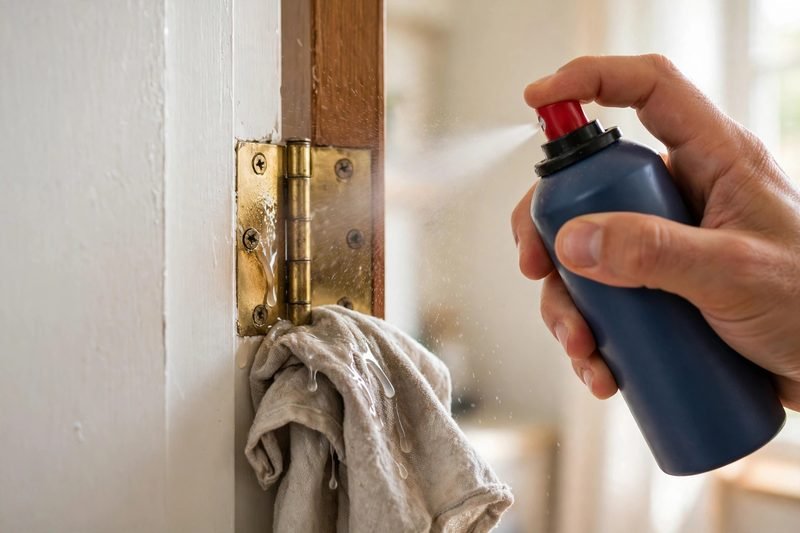
Few household sounds are as irritating as a squeaky door hinge. It announces every trip to the bathroom at night, wakes a sleeping baby, and makes an otherwise quiet home feel worn out. The good news is that fixing a squeaky door hinge is one of the easiest home repairs a beginner can do. Most squeaks disappear in under 15 minutes with tools you probably already own, and you do not need to take the door off its frame.
This guide walks you through the fix from the simplest solution to the most involved one, in order. Start at the top, test the door after each step, and stop as soon as the squeak is gone. You will also learn which lubricants actually last, which common shortcut fails, and when a hinge is better replaced than repaired. Renters are covered too: every method here is reversible and landlord-friendly.
Why Door Hinges Squeak
A door hinge is a simple machine: a pin that sits inside a barrel made of interlocking knuckles. When the door swings, the pin rotates inside that barrel. The squeak you hear is metal rubbing against metal without enough lubrication between the surfaces.
Over time, the thin layer of factory lubricant dries out. Dust, household grime, and sometimes light rust build up inside the barrel. The hinge plates can also loosen as screws work their way out of the wood, letting the door sag slightly and changing how the pin sits.
Understanding the cause matters because it tells you which fix to try. A dry hinge needs lubricant. A dirty hinge needs cleaning. A loose hinge needs its screws tightened. A bent or rusted hinge needs replacing. Working through the steps in order saves you from doing more work than the door actually needs.
Tools and Materials You Will Need
Gather everything before you start: a hammer and a nail set or a large nail for tapping hinge pins, a Phillips screwdriver and a flathead screwdriver, silicone spray lubricant or white lithium grease, a rag or old towel for drips, a wooden wedge or doorstop to steady the door, fine steel wool or 220-grit sandpaper for cleaning a removed pin, wooden toothpicks and wood glue for stripped screw holes, and a step stool if your hinges are high.
A note on lubricant choice, because it decides whether the fix lasts a week or a year. Silicone spray and white lithium grease are the best choices for a lasting, quiet hinge. Penetrating oil and multipurpose spray oil will silence the squeak quickly, but they are thin solvents that evaporate, so the noise often returns within weeks. Petroleum jelly or cooking oil can work in a pinch, but they attract dust and go gummy over time.
Safety First
This is a low-risk job, but a few precautions keep it that way:
- Never remove all hinge pins at once. A door with no pins can fall, and a heavy solid door can injure you or damage the floor. Work on one hinge at a time and always leave at least one hinge fully pinned.
- Support the door. Slide a wedge or doorstop under the outer edge of the door before you tap a pin out, so the door cannot shift or sag while the hinge is open.
- Keep fingers clear of the hinge knuckles while opening and closing the door to test it.
- If you rent, check your lease before replacing hardware. Lubrication and screw tightening are routine maintenance, but replacing hinges may need your landlord’s approval. Keep the original hinges if you do replace them.
- Call a professional if the door frame is cracked, the door is badly sagging, or the hinge screws are pulling out of crumbling wood. Those are structural problems, not a simple squeak.
This article is educational only and is not professional advice. For electrical, plumbing, gas, or structural work, always consult a qualified professional.
Step 1: Find the Squeaky Hinge
Most doors have three hinges: top, middle, and bottom. The squeak usually comes from just one of them. Open and close the door slowly several times, listening carefully, and watch the hinges as the door moves. The noisy hinge often shows a tiny shudder or a puff of dust as it turns.
If you cannot tell by ear, use the process of elimination. Wedge the door steady, tap one hinge pin up about half an inch with a hammer and nail set, and swing the door. If the squeak stops, you found it. Tap the pin back down and move on to lubricating that hinge. If the squeak continues, restore that pin and test the next hinge.
Step 2: The Quick Lubrication Fix
For most squeaky doors, this step alone is enough. It takes about five minutes.
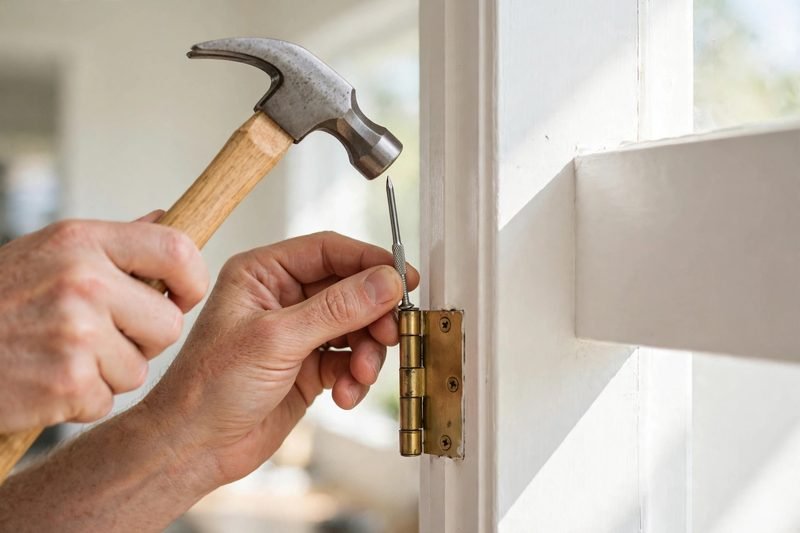
- Place a rag beneath the noisy hinge to catch drips.
- Tap the hinge pin upward about half an inch using a hammer and a nail set placed under the pin head. Do not remove it completely.
- Spray silicone lubricant or apply white lithium grease into the gap at the top of the hinge and along the seams where the knuckles meet.
- Open and close the door slowly ten to fifteen times to work the lubricant down the pin and into the barrel.
- Tap the pin gently back down until it sits flush with the top of the hinge.
- Wipe away any excess lubricant from the hinge and the door frame.
Test the door again. If it swings silently, you are done. If the squeak is quieter but still present, repeat the application once more.
Step 3: The Deep Clean (When Lubrication Alone Fails)
If the squeak survives two rounds of lubrication, the inside of the hinge is probably dirty. Old grease, dust, and light rust act like sandpaper, and fresh lubricant alone cannot wash them away.

- Wedge the door firmly and remove the pin from the noisy hinge completely, tapping it upward from below and pulling it out with pliers if needed.
- Scrub the pin with fine steel wool or 220-grit sandpaper until the metal feels smooth and the flaky buildup is gone.
- Clean inside the hinge knuckles with a rag dampened in warm, soapy water, or a small brush for stubborn grime. Dry the parts fully.
- Coat the clean pin generously with white lithium grease, covering its full length.
- Slide the pin back in, tap it flush, and swing the door ten to fifteen times to spread the grease.
- Wipe away excess and test.
A deep-cleaned hinge often feels noticeably smoother than before, not just quieter. If the pin itself is deeply pitted or bent, cleaning will not save it. Move on to replacement instead of repeating this step endlessly.
Step 4: Tighten Loose Screws and Fix a Sagging Door
Sometimes the squeak is not about lubrication at all. Loose hinge screws let the door shift a fraction of an inch each time it moves, and that movement rubs the hinge plates against each other.
Check every screw on both leaves of the noisy hinge, on the door side and the frame side. Tighten any that turn easily. If a screw spins without gripping, the hole is stripped. Fix it with the toothpick method: remove the screw, squeeze a drop of wood glue into the hole, push in one or two wooden toothpicks, snap them flush, let the glue dry for an hour, then drive the screw back in. The toothpicks give the screw fresh wood to bite into, and the repair is strong enough for a standard interior door.
For a door that sags, the top hinge takes the most strain. Replacing one short screw in the frame-side leaf of the top hinge with a 3-inch screw that reaches into the wall stud behind the frame can pull the door back into alignment and stop both the squeak and the sticking. Skip this if you rent and your lease forbids it, or if you are not comfortable driving a long screw.
Step 5: Repair a Bent Hinge or Replace It
If the hinge barrels look crooked or unevenly spaced when the door is closed, the hinge may be bent. Remove the pin, and use a hammer to gently tap the bent knuckles back into line on a flat surface. Reinstall the pin, lubricate, and test.
When replacement is the smarter choice: the hinge is cracked, deeply rusted, or bent beyond straightening; the squeak returns within days of a deep clean; or the screw holes are so damaged that even the toothpick fix fails. A replacement hinge costs only a few dollars. Bring the old hinge to the hardware store so the new one matches in size, shape, and screw pattern. Install it one screw at a time, keeping the door wedged and the other hinges pinned, and lubricate the new hinge before its first use.
Renter-Friendly Tips
Renters can fix most squeaky doors without any risk to their deposit. Lubrication, cleaning, and screw tightening are routine maintenance and fully reversible. Keep the original pins and screws if you remove them, and keep the original hinges if you replace any. Avoid painting over hinges, using adhesives, or drilling new holes without written permission. Tell your landlord about a door that sags badly or has a cracked frame, since those are building maintenance issues, not tenant repairs.
How to Keep Hinges Quiet
Prevention is even easier than the fix. Reapply lubricant every 6 to 12 months, ideally during your spring and autumn cleaning. Wipe hinges when you dust, so dust never works its way into the barrel. Tighten screws once a year, since a quarter turn on each screw prevents the slow loosening that leads to sagging and squeaking. And fix small squeaks early: a hinge that just started squeaking needs only a spray, while one ignored for a year may need a deep clean or replacement.
Troubleshooting: When the Squeak Won’t Quit
If you have lubricated, cleaned, and tightened, and the door still squeaks, check these possibilities. First, the wrong hinge: test each hinge again, since sound travels through a door and the noisy hinge is not always the one you think. Second, the door rubbing the frame: if the door sticks or scrapes as well as squeaks, swelling from humidity or a shifted frame may be the cause, and a swollen door may need planing, which is a bigger job. Third, paint in the barrel: if the door was recently painted, dried paint may be gluing the knuckles, so remove the pin and scrape the paint out carefully. Fourth, a damaged frame: cracked wood around the hinge screws means the frame needs repair, which is a job for a professional or your landlord. Finally, the wrong lubricant: if you used a thin multipurpose spray, the squeak may simply have returned as it evaporated, so try white lithium grease, which stays in place far longer.
Frequently Asked Questions
Can I fix a squeaky hinge without removing the pin?
Yes. Spraying lubricant onto the hinge and working the door back and forth often helps, but it is less effective than lifting the pin slightly so the lubricant reaches inside the barrel. Lifting the pin takes a minute and makes the fix last much longer.
Is WD-40 good for door hinges?
It works as a quick, temporary fix, but it is mainly a solvent, not a long-lasting lubricant. It evaporates and the squeak usually returns within weeks. For a lasting fix, use silicone spray or white lithium grease instead.
Can I use cooking oil on a squeaky hinge?
In an emergency, a drop of cooking oil will quiet a hinge for a day or two. It is not a good long-term choice because it goes rancid and gummy, attracts dust, and can stain the door.
A Quiet Closing
Fixing a squeaky door hinge is a small job with an outsized reward: a home that sounds calm again. Start with the quick lubrication fix, move to a deep clean if needed, tighten the screws, and replace the hinge only when it is truly worn out. Most doors go silent at step two, and the whole job rarely takes more than fifteen minutes.
If you found this guide useful, you may also enjoy our beginner’s guide to patching a hole in drywall, and you can learn more about this site on our About page, reach us through our Contact Us page, or read our Privacy Policy and Disclaimer.